Body Contouring in Michigan: Essential Questions to Ask Your Provider
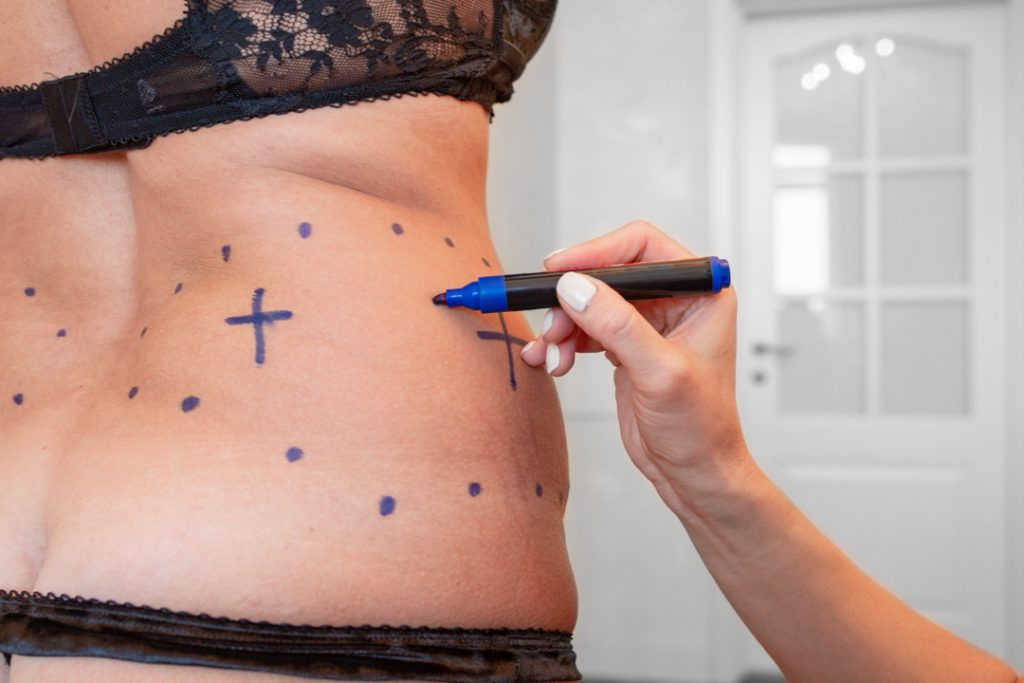

Interest in body contouring has grown steadily across Michigan, and for good reason. People want options that address areas diet and exercise do not always change, especially after weight loss, pregnancy, aging, or simple shifts in body composition over time. Yet the term itself can mean very different things depending on the practice. For one patient, body contouring means a non-surgical treatment for mild abdominal fullness. For another, it means a surgical plan that includes liposuction, skin removal, or a staged approach after major weight loss.
That range is exactly why the first consultation matters so much. The best providers do not sell a procedure. They evaluate your anatomy, your goals, your health, and the reality of what can be achieved safely. If you are considering Body Contouring in Michigan, the quality of the questions you ask may shape your result almost as much as the treatment itself.
Michigan patients often come in with practical concerns that are easy to underestimate. Recovery during winter can feel different than recovery during a humid July. Travel from Grand Rapids, Ann Arbor, Traverse City, or the Detroit suburbs may affect follow-up planning. Work demands vary widely, especially for people in manufacturing, health care, education, and service jobs where taking extended time off is not always simple. Those local realities do not change surgical principles, but they absolutely influence whether a plan is realistic.
Start with the provider’s training, not the marketing
A polished website and a strong social feed can make almost any practice look authoritative. That does not tell you whether the person evaluating you has the training to recognize a difficult case, manage complications, or advise against a treatment that is unlikely to help. Body contouring spans non-invasive devices, minimally invasive procedures, and full surgery, so credentials matter.
Ask your provider what procedures they perform regularly, how often they perform them, and whether body contouring is a central part of their practice or a side offering. A surgeon who performs contouring procedures every week typically speaks differently about planning, tissue quality, scar placement, and recovery than someone who mainly offers injectables and has added one device to the menu.
If surgery is part of the conversation, ask whether the surgeon is board certified in a relevant specialty and whether they operate in an accredited facility. That question is not rude. In a reputable office, it is routine. If the answer becomes evasive, overly defensive, or heavy on branding and light on specifics, take that seriously.
Experience is not only about years in practice. It is also about repetition with cases like yours. A patient with mild lower abdominal fullness and good skin elasticity is not the same as a patient with loose skin after losing 80 pounds. Someone with significant diastasis after pregnancy is not the same as someone with isolated flank fat. A provider should be able to explain where you fit and why.
Ask, “Am I a good candidate for this specific treatment?”
This may be the single most important question in the room. Many disappointing outcomes happen because the wrong treatment was used on the wrong anatomy. Non-surgical body contouring can be useful for selected patients, especially when the concern is modest fat reduction in a limited area and skin quality is still fairly strong. It is much less effective when the real issue is loose skin, muscle separation, or substantial volume.
An experienced provider will assess more than body weight. They should consider skin laxity, fat distribution, muscle tone, prior surgeries, scarring, overall health, and whether your weight has been stable. In Michigan practices, I have often seen patients surprised to learn that the pinchable fullness they hate is not the main problem. Sometimes the provider points out that the visible bulge is driven more by skin redundancy or weakened abdominal wall support than by excess fat. That distinction changes the recommendation entirely.
It is also worth asking what result is realistically possible for your body type. If you are hoping for a sharply defined waist or a flat abdomen, say so clearly. Do not settle for vague reassurance. A thoughtful provider will tell you where your goals align with anatomy and where they do not. That kind of honesty may feel disappointing in the moment, but it protects you from spending time and money on a treatment that cannot deliver what you pictured.
Clarify what “body contouring” means in that office
This term is broad enough to confuse almost anyone. In one practice, it may refer to cryolipolysis or radiofrequency skin tightening. In another, it may include liposuction, tummy tuck, arm lift, thigh lift, breast procedures, or post-weight-loss surgery. During your visit, ask the provider to define exactly which category they are discussing for you.
The conversation should cover whether your issue is fat, skin, muscle, or some combination. Most real-world cases involve more than one factor. For example, a woman after two pregnancies may have modest fat, stretched skin, and rectus separation. Treating only one element may improve something, but not enough to feel worth it. Similarly, a man in his forties who has maintained a strong gym routine may have flank and lower abdominal fat that responds well to liposuction, yet still need a clear discussion about how much skin contraction can reasonably happen afterward.
When the provider is precise with language, that is a good sign. If every concern gets met with the same generic recommendation, be cautious.
Before-and-after photos matter, but only if you read them correctly
Patients naturally ask to see results. You should. But the value of photos depends on how similar those patients are to you and how honestly the images are presented. Ask to see patients with a comparable build, age range, skin quality, and treatment area. If your case is post-pregnancy or post-weight-loss, ask for those specifically.
Photos can mislead when lighting, posture, clothing, or timing changes. Early postoperative images can still show swelling. Very late photos may reflect weight changes or additional treatments. A credible provider should tell you when the after photo was taken and whether more than one procedure was involved.
It helps to ask what typical improvement looks like, not just the best result in the portfolio. Every practice has standout transformations. What you want to know is the range, the average, and what factors predict a stronger or weaker result. In body contouring, modest but meaningful improvement can still be a success. The danger is being shown a dramatic outlier and assuming it is standard.
Ask how many treatments or stages you may need
Patients often think in terms of a single appointment. Body contouring does not always work that way. Non-surgical treatments may require a series, spaced over weeks or months. Surgical plans may need staging, especially after substantial weight loss or when more than one region is involved.
This is where consultation language should get concrete. Ask how many sessions are usually needed, how long results take to appear, and whether a second round is common. Some non-invasive fat reduction treatments show gradual change over two to three months. Some skin tightening approaches work best in a series. With surgery, swelling can obscure the final contour for quite a while, and revision decisions usually wait until tissues settle.
If your provider says you will know the final result very quickly, press for details. In many cases, that is not how healing works. A reliable answer sounds more measured. It acknowledges swelling, tissue remodeling, scar maturation, and the fact that bodies do not resolve on an office timetable.
Talk openly about scars, compression, swelling, and downtime
A lot of patients ask about pain and almost forget to ask about the daily inconvenience of recovery. In practice, the latter often affects satisfaction more than expected. If you are pursuing surgical Body Contouring in Michigan, ask where scars will sit, what type of compression garment you will need, how long swelling typically lasts, when you can drive, and when you can return to work, lifting, workouts, and child care.
These details matter. A teacher planning surgery in August may recover very differently from a nurse who is on her feet for twelve-hour shifts. A construction supervisor who can delegate may return sooner than a mechanic who must bend, lift, and climb all day. A parent of a toddler needs a realistic plan for the first two weeks. That is not a minor side issue. It is central to whether recovery goes smoothly.
Michigan weather can add a small but real layer of logistics. Compression garments during a hot, humid stretch can be uncomfortable. Winter travel to follow-up visits may be inconvenient if roads are poor. Neither factor should determine your decision alone, but both deserve planning. Experienced local practices tend to discuss these details because they hear the same questions every season.
Ask what happens if your result is underwhelming
This question reveals a great deal about a practice. No ethical provider can guarantee a perfect outcome, and body contouring always has biological variability. Skin retracts differently from person to person. Swelling resolves at different rates. Scars mature differently. Weight changes can affect the result. Even when surgery goes well, some patients want more refinement than their tissues can safely support.
Ask how the office handles touch-ups, secondary procedures, or additional treatments if your result falls short of expectations. You are not asking for a promise. You are trying to understand the philosophy of care. Some offices have clear revision policies. Others charge standard fees for any additional work. What matters most is that the answer is direct.
A provider with maturity will also distinguish between normal healing patience and a true contour issue. At six weeks, many concerns are still early. At six months or a year, the conversation may be different. If the office seems to frame every possible disappointment as your fault before treatment even begins, that is telling.
Cost should be discussed in full, not in fragments
Price shopping is common, especially online, but body contouring estimates can be hard to compare. One quote may include garments, facility fees, anesthesia, follow-ups, and postoperative supplies. Another may not. A low number on the front end can become a much higher number by the time everything is added.
Ask for an itemized explanation of what is included. If a non-surgical series is proposed, ask whether the estimate covers all recommended sessions or only https://johnnyzlgv469.urbanvellum.com/posts/body-contouring-in-michigan-tips-for-a-smooth-recovery the first one. If surgery is proposed, ask about the surgeon’s fee, anesthesia, facility costs, garments, medication, and whether pathology, drains, or scar care products create added charges.
Cheaper is not always less safe, and expensive is not always better. But when pricing varies widely for what sounds like the same procedure, there is usually a reason. Sometimes it reflects geography within Michigan. Sometimes it reflects facility quality, surgeon experience, time allocated to the case, or the completeness of aftercare. The right response is not suspicion by default. It is curiosity.
Ask about risks in plain language
Every procedure has trade-offs. A good consultation does not hide them behind glossy phrasing. For non-surgical body contouring, risks might include temporary numbness, uneven response, bruising, or results that are simply too subtle for the investment to feel worthwhile. For liposuction and surgery, the conversation becomes broader and more serious, touching on contour irregularities, fluid collections, scarring, delayed wound healing, asymmetry, infection, blood clots, anesthesia risks, and the possibility of revision.
The key is whether your provider explains risk in a way that feels tailored to you. If you smoke, have diabetes, have had prior surgery, are on certain medications, or are considering a large combined procedure, those factors should affect the discussion. Risk is not one-size-fits-all.
I have seen the best consultations slow down at this point. The provider starts drawing on a paper drape or using their hands to show where tension falls, where skin may heal slower, or why a more aggressive plan would cross from ambitious into unsafe. That sort of nuance is hard to fake. It usually reflects real operative judgment.
The right provider will ask as many questions as you do
Body contouring is not a menu item. A thoughtful consultation should feel like an evaluation, not a sales pitch. Your provider should ask about your weight history, pregnancies, surgeries, medications, smoking or nicotine use, clotting history, exercise habits, future plans for pregnancy, and whether your weight is stable. They should also ask what bothers you most, because patients and providers do not always rank concerns the same way.
Sometimes a patient comes in focused on the lower abdomen, but after examination it becomes clear that circumferential flank fullness is doing more to blur the waist. Another patient may be convinced she needs liposuction when the problem is loose skin. The best plans come from a provider who listens long enough to identify the true target.
If the appointment feels rushed, if your concerns get redirected too quickly, or if the recommendation sounds almost identical to what your friend received despite very different anatomy, pause. Good contouring plans are individualized by necessity.
A few questions worth bringing to the consultation
You do not need a scripted interview, but walking in with several focused questions helps you stay grounded when the conversation gets technical.
- What exactly is causing the contour issue in my case: fat, skin laxity, muscle separation, or a combination?
- Am I a strong candidate for this treatment, and if not, what would work better?
- What level of improvement is realistic for my body, not your best-case patient?
- How long will recovery take in practical terms, including work, exercise, lifting, and swelling?
- What are the most common reasons patients like me feel disappointed afterward?
That last question is especially useful. It invites honesty and often leads to a far better discussion than asking only about benefits.
Red flags that deserve attention
Most consultations are straightforward, but a few patterns should make you step back and think carefully.
- The provider cannot clearly explain why this treatment fits your anatomy.
- Results are described with guarantees or unusually absolute language.
- Risks, scars, or downtime are minimized or brushed aside.
- Pricing feels intentionally vague or changes significantly once you ask for details.
- You feel pressured to book immediately to secure a special offer.
Pressure and body contouring do not mix well. Decisions made under urgency often age badly.
Do not overlook the importance of follow-up care
The treatment itself is only part of the experience. Good postoperative or post-treatment support often separates a well-run practice from a merely attractive one. Ask who you contact after hours, how follow-up visits are scheduled, and what symptoms should prompt an urgent call. If you live more than an hour away from the office, ask how distance is handled if you have a concern.
This matters in Michigan, where patients may travel from one region to another for a particular surgeon or device. A patient coming from northern Michigan or the Upper Peninsula needs more planning than someone who lives fifteen minutes away. Virtual check-ins can help with some issues, but they are not a substitute for every in-person assessment. The office should be realistic about that.
You should also ask how the practice supports long-term maintenance. Body contouring can improve shape, but it does not exempt anyone from the basics. Weight gain can blunt or undo results. Pregnancy can change them. Aging continues. A solid provider frames the procedure as one part of a broader plan rather than a magic reset button.
The best consultation leaves you better informed, not merely more excited
There is nothing wrong with feeling enthusiastic after a consultation. The problem arises when excitement replaces clarity. The right provider helps you understand what body contouring can improve, what it cannot, what recovery demands, and how your particular body responds to the options on the table.
For patients considering Body Contouring in Michigan, that clarity is worth pursuing with some discipline. Ask direct questions. Request specifics. Expect honest limits. Good medicine rarely sounds like a sales event. It sounds measured, individualized, and confident enough to say no when no is the right answer.
If you leave the visit understanding your anatomy better, with a realistic view of results, cost, scars, recovery, and alternatives, you are in a far stronger position to decide. That is the goal. Not a perfect promise, but an informed one.