Cryotherapy for Neck and Shoulder Tension: What to Know

Neck and shoulder tension is one of those complaints that sounds minor until you live with it for weeks. It can sit quietly in the background as a dull tightness, or it can flare into headaches, reduced range of motion, and that familiar feeling that your upper back is carrying far more than your actual body weight. For many people, the trigger is ordinary life rather than dramatic injury: long hours at a laptop, stress that settles into the trapezius muscles, workouts with poor recovery, sleeping in an awkward position, or simply spending too much time with the head pushed forward over a phone.
Cryotherapy often enters the conversation when heat, stretching, or massage have not fully solved the problem. The idea seems simple enough: use cold to reduce pain and calm irritated tissue. In practice, though, there is a lot of confusion about what cryotherapy means, when it actually helps, and when cold is the wrong tool. People use the word for everything from an ice pack at home to a whole-body chamber at a wellness studio. Those are very different experiences, and they do not all serve the same purpose.
If your neck and shoulders feel chronically tight, it helps to look at cryotherapy with a bit of nuance. Cold can be useful. It can also be overused, mistimed, or expected to do more than it realistically can.
What cryotherapy actually is
At its core, cryotherapy is simply therapeutic cold exposure. In a medical or rehab setting, that usually means local treatment directed at a body part. For neck and shoulder tension, local cold is far more relevant than the dramatic versions you see on social media.
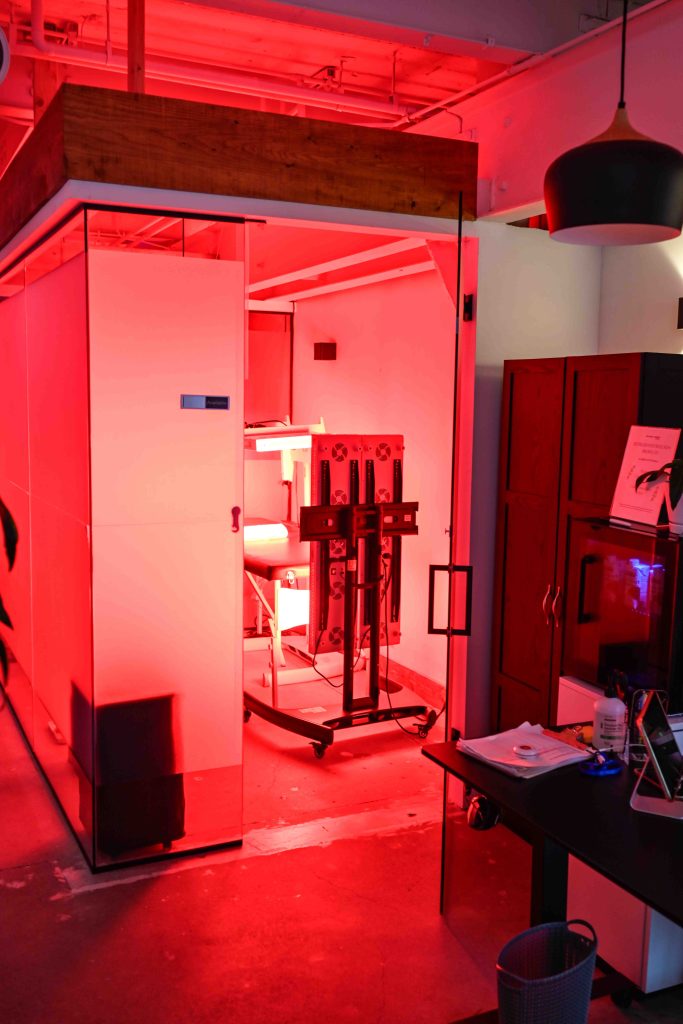
An ice pack wrapped in a towel, a gel pack from the freezer, a cold compress, an ice massage, or a clinician-applied cold modality all fall under the cryotherapy umbrella. Whole-body cryotherapy, where someone stands in a chamber for a few minutes in very cold air, is a separate category. Some people report feeling looser or less sore afterward, but the evidence for localized neck and shoulder tension is much stronger for direct cold to the area than for whole-body sessions.
Cold affects tissue in a few predictable ways. It can numb pain receptors, slow nerve conduction, reduce superficial blood flow for a period of time, and blunt some of the inflammatory response that comes with strain or irritation. It may also reduce muscle spasm in the short term. That is why a person with a freshly aggravated neck from lifting boxes all afternoon may feel real relief from a brief, well-timed cold application.
What cold does not do is erase the reason the tension developed in the first place. If your workstation keeps your shoulders elevated all day, or your stress response lives in your upper traps, cryotherapy may ease symptoms without fixing the pattern.
Why the neck and shoulders get so tense in the first place
The neck and shoulder region is mechanically busy and neurologically sensitive. Several muscle groups share the load, including the upper trapezius, levator scapulae, scalenes, suboccipitals, rhomboids, and parts of the rotator cuff and chest. When posture, stress, breathing patterns, and repetitive tasks all start pulling in the same direction, those muscles can become overworked without any obvious injury.
I see this pattern most often in people who spend six to ten hours a day at a computer and then try to train hard in the gym without much recovery. Their shoulders live slightly shrugged, their chin drifts forward, and their ribcage does not move especially well. By the end of the day, the neck muscles are doing stabilization work they were never meant to do nonstop. In that context, cold may take the edge off, but the deeper problem is usually cumulative load.
There is another category too, the acute flare. Someone wakes up after sleeping awkwardly, turns their head in the car, and suddenly the neck locks down. Or they carry a toddler on one side all weekend and Monday arrives with one shoulder riding toward the ear. In those more sudden episodes, cryotherapy can be especially helpful during the first day or two, when tissue feels irritated, sore, or inflamed rather than merely stiff.
When cold tends to help most
The timing matters more than many people realize. Cryotherapy is usually most useful when symptoms have a recent aggravating event behind them, or when the area feels hot, reactive, throbbing, or sharply tender. Think of the neck that feels angry rather than just stubborn.
A practical example: after a weekend of yard work, a person develops soreness at the base of the neck and into the top of the shoulder, with pain when turning the head to one side. The tissue feels irritated and movement is guarded. In that scenario, a short cold application may reduce pain enough to let them move more normally later in the day. That improved movement can matter because guarding often prolongs the problem.
By contrast, the person with months of low-grade tightness, no clear injury, and a sense that the muscles feel “knotted” all the time may respond better to heat, movement, breath work, or manual therapy. Cold can still offer relief, but it may feel too aggressive or may leave the area feeling stiffer afterward.
The body often gives useful feedback. If cold reduces pain and the neck moves more freely within an hour, that is a good sign. If cold leaves the person more braced, more achy, or desperate to put a heating pad on immediately, it is probably not the best match for that presentation.
Local cryotherapy versus whole-body cryotherapy
This distinction deserves attention because the marketing around whole-body sessions can blur expectations.
Local cryotherapy targets the painful area directly. It is inexpensive, accessible, and easy to dose. You can control duration, pressure, and frequency. For a strained upper trapezius or a tender spot near the shoulder blade, that precision matters.
Whole-body cryotherapy exposes the body to extremely cold air for a short period, often two to four minutes. Some people enjoy the invigorating sensation. Some feel temporary reductions in soreness or a lift in mood, likely due to the stress response and endorphin release. But if the question is whether whole-body cryotherapy is the best first-line tool for neck and shoulder tension, the answer is usually no. It is harder to justify on cost and specificity alone when a simple cold pack can address the same area more directly.
That does not mean whole-body sessions have no place. Athletes sometimes use them as part of broader recovery routines. People who like them often describe a general reset rather than a targeted therapeutic effect. The key is not to mistake a wellness experience for a precise treatment plan.
What a useful cryotherapy session looks like at home
Most people do not need fancy equipment. They need a method they can tolerate and repeat sensibly. For neck and shoulder tension, the basics are usually enough.
Here are the main options that work well for home use:
- A soft gel cold pack wrapped in a thin towel
- A bag of crushed ice in a cloth barrier
- A cold compress that molds around the upper shoulder
- Brief ice massage to a very specific tender spot
- A commercial wrap designed for the neck and shoulders
The details matter. The pack should feel distinctly cold but not painfully intense. Direct skin contact is more likely to irritate the area, especially in the neck where tissue is thinner and nerves are close to the surface. A light towel barrier helps. For most people, about 10 to 15 minutes is enough. Going much longer does not usually produce better results and can leave the muscles feeling rigid.
Position also matters. Sitting with shoulders relaxed and the head supported is better than trying to hold yourself stiff while balancing a slippery pack. If you can recline slightly and let the muscles switch off, the treatment tends to work better.
One mistake I see often is stacking too many things at once. Someone applies ice for 30 minutes, then aggressively stretches the neck, then uses a massage gun at maximum speed. If the area is already irritable, that sequence can escalate symptoms rather than calm them. Simpler is often better.
The sensation you should expect, and when to stop
Cold has a predictable sensory sequence. First it feels cold, then stinging or aching, then burning, and finally numbness or reduced sensation. Not everyone experiences all four stages strongly, but that general progression is normal. The goal is not to endure a heroic amount of discomfort. You are looking for symptom relief, not a test of toughness.
Stop if the skin becomes excessively painful, blotchy in an unusual way, or if you notice tingling that persists after removal. Also stop if the neck muscles start clamping down harder instead of relaxing. The treatment should leave the area calmer, not more defensive.
People with lower body fat over the area, very sensitive skin, or a history of cold intolerance often need shorter sessions. Five to eight minutes may be enough. More is not inherently better.
When heat may be the better choice
There is a reason so many people instinctively reach for a heating pad when their shoulders are up around their ears. Chronic muscular tension often responds well to warmth because heat can increase tissue extensibility, improve comfort, and make movement easier. If your neck feels tight without recent injury, heat may outperform cryotherapy.
This is especially true in patterns driven by stress, desk posture, or a sense of muscular guarding that has built up over months. Those cases often improve when warmth is combined with gentle range-of-motion work, lower rib breathing, and changes to how the shoulders are loaded through the day.
One practical pattern works well: heat before movement, cold after a flare. For example, someone with longstanding tension may use a warm shower or heating pad before mobility exercises in the morning, but keep a cold pack available for the occasional overuse spike after travel or a hard training session. That is not contradictory. It is simply matching the tool to the tissue state.
The role of movement after cryotherapy
Cryotherapy is rarely a complete answer by itself. The better question is what it allows you to do next. If cold reduces pain enough to restore cleaner movement, then it has done something valuable.
After a short cold session, gentle motion often helps maintain the benefit. That might mean turning the head side to side within a comfortable range, rolling the shoulders without shrugging, or taking a slow walk and letting the arms swing naturally. The movement should be easy, not corrective theater. The goal is to remind the nervous system that the area can move safely.
For people with recurrent neck and shoulder tension, I often think in terms of a sequence rather than a treatment. Calm the pain, restore motion, then reduce the repeated load that keeps reigniting the problem. If the third step never happens, symptoms usually return.
The workstation factor people underestimate
Cryotherapy gets much of the attention because it is a treatment you can feel immediately. Ergonomics gets less attention because it is less dramatic. Yet for office workers, the desk setup often matters more over time than the cold pack.
A monitor that sits too low encourages forward head posture. Armrests that force the shoulders to elevate can keep the upper traps switched on for hours. A laptop used on a kitchen counter can create a perfect storm of neck extension, rounded shoulders, and static loading. None of those issues are solved by repeated cryotherapy.
Even small changes can reduce the need for symptom management. Raising the screen to eye level, supporting the forearms, changing positions every 30 to 45 minutes, and keeping the mouse close enough that the arm is not constantly reaching can make a noticeable difference within a week. People are often surprised by how quickly their “mystery knots” settle when the daily aggravation finally changes.
Who should be careful with cryotherapy
Cold is common and generally safe when used properly, but it is not for everyone. Certain medical conditions change the equation. People with poor circulation, some vascular disorders, cold hypersensitivity, certain nerve conditions, impaired sensation, or a history of adverse reactions to cold should use extra caution or avoid it unless advised by a clinician.
The neck is also not the place to experiment carelessly. The tissue is compact, sensitive, and full of important structures. https://sergiojqvf009.wpsuo.com/cryotherapy-for-busy-professionals-fast-wellness-in-minutes Very intense cold, prolonged exposure, or compressing the front and sides of the neck aggressively is not wise. Most of the time, the target is the back of the neck and the top of the shoulder where the muscular tension is obvious.
If pain shoots down the arm, causes numbness or weakness, or is accompanied by dizziness, severe headache, fever, chest pain, or symptoms after trauma, self-treatment is not the place to linger. Those signs point beyond routine muscular tension.
Situations where cryotherapy can backfire
There are a few patterns where cold simply does not play well.
One is a heavily guarded, stress-driven neck that already feels rigid and “stuck” without any sign of inflammation. Cold can make that person feel more armored. Another is a headache pattern dominated by suboccipital tightness, where too much cold at the base of the skull can be unpleasant or trigger more sensitivity. A third is someone who repeatedly uses cryotherapy to override pain and return to the exact activity that caused the issue, whether that is poor lifting mechanics or marathon desk days. In those cases, the cold becomes a reset button for overuse, not part of recovery.
Athletes sometimes run into this after upper-body training. They ice the neck and shoulders after every session because the area feels worked, but they never address scapular control, breathing mechanics, or bar position. The discomfort settles briefly, then returns on cue. The pattern can persist for months because the symptom management is just effective enough to hide the training error.
What a sensible self-care plan looks like
For ordinary neck and shoulder tension, a simple plan is often more effective than an elaborate one. The treatment should fit the type of discomfort, not an internet trend.
A practical approach looks like this:
- Use cryotherapy for short periods when the area feels acutely irritated, freshly strained, or reactive
- Follow with gentle movement once the pain settles a bit
- Use heat instead when the problem feels chronic, stiff, and noninflammatory
- Adjust the daily habits that keep loading the neck and shoulders
- Seek medical assessment if symptoms are severe, persistent, or include neurologic signs
That middle step matters. If movement never returns, pain relief stays temporary. If daily mechanics never change, the cycle repeats.
How quickly should you expect results?
Short-term relief can happen within minutes. That is one reason cryotherapy remains popular. Pain may decrease, movement may feel easier, and the area may seem less swollen or angry. The catch is that immediate relief does not predict long-term resolution.
For a mild strain, one to three days of intermittent local cryotherapy may be enough as part of a broader recovery plan. For ongoing postural tension, cold may only provide brief symptom reduction unless the larger contributors are addressed. It helps to judge the treatment by function rather than sensation alone. Can you turn your head farther? Can you sit at your desk with less guarding? Are you waking with fewer headaches? Those are better markers than whether the area simply felt numb for 15 minutes.
Where professional guidance can make a difference
Persistent neck and shoulder tension is not always “just tight muscles.” Sometimes it is referred pain from the cervical spine. Sometimes it is part of a shoulder problem, a breathing pattern issue, jaw clenching, migraine-related tension, or even stress physiology showing up in the musculoskeletal system. That is where a skilled clinician can save time.
A physical therapist, sports medicine physician, or other qualified professional can help distinguish between an acute strain, a mobility issue, a strength deficit, nerve involvement, or a workstation-driven overload pattern. They can also tell you whether cryotherapy makes sense for your specific presentation or whether another approach is likely to work better.
That judgment matters because treatment is not just about the tool, it is about matching the tool to the tissue and the cause. Cold can be excellent when the neck has been freshly irritated. It can be mediocre when the real issue is chronic postural load. It can be unhelpful when symptoms are actually coming from elsewhere.
The bottom line on cryotherapy for neck and shoulder tension
Cryotherapy has a real place in managing neck and shoulder tension, especially when symptoms are recent, inflamed, or tied to a clear aggravating event. Used locally, briefly, and with a bit of common sense, it can reduce pain, calm spasm, and make movement easier. That alone can be worthwhile.
But cryotherapy works best as part of a larger strategy. If the tension keeps returning, look beyond the cold pack. Pay attention to work setup, training habits, sleep position, breathing, stress, and how often the shoulders spend the day half-shrugged. Those are the details that usually determine whether relief lasts.
For many people, the most effective approach is not choosing cold over heat in some absolute sense. It is knowing when each one fits. Cold for the flare, warmth for the stubborn stiffness, movement for restoration, and practical changes for prevention. That is less glamorous than a cryo chamber photo, but it is usually what helps the neck and shoulders feel normal again.
SDBody Mission Hills
Address: 1747 Hancock St Ste C, San Diego, CA 92101
Phone number: +16197720252
FAQ About Cryotherapy
What does cryotherapy do for your body?
Cryotherapy exposes the body to extremely cold temperatures for a few minutes to trigger natural healing and recovery responses.
What are the negatives of cryotherapy?
The primary negatives of cryotherapy include skin burns, frostbite, temporary nerve irritation, and temporary spikes in blood pressure caused by extreme cold.
How much does cryotherapy typically cost?
A single session of non-medical cryotherapy typically costs between $40 and $100. However, prices vary significantly depending on the specific type of treatment, your location, and whether you purchase a membership or package.